

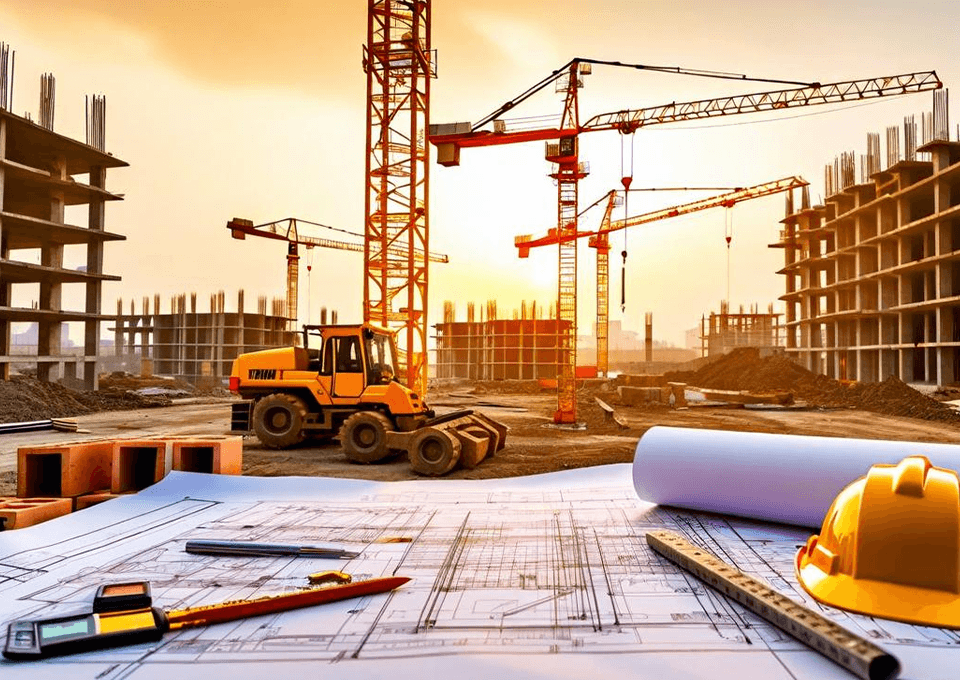
Large-scale property development is a complex puzzle. Bringing a vision from a blueprint to a thriving physical space requires immense coordination, capital, and foresight. While the rewards of completing a massive residential or commercial project are substantial, the path to get there is fraught with risks. Many ambitious developers enter the market with grand ideas, only to find themselves stalled by unforeseen challenges.
Understanding what can go wrong is the first step toward ensuring things go right. When you embark on a major development journey, you must anticipate the traps that routinely derail projects. This guide will explore the most common pitfalls in large-scale property development. We will outline actionable strategies to mitigate these risks, ensuring your investments remain sound and your projects reach the finish line successfully.
Financial Mismanagement and Budget Overruns
Money is the fuel that keeps any development project moving. Running out of it prematurely is perhaps the most common and devastating pitfall a developer can face. Financial mismanagement usually stems from poor planning during the earliest stages of the project.
Inaccurate Initial Cost Estimation
Many developers fall into the trap of optimistic forecasting. They underestimate the costs of materials, labor, and necessary administrative permits. When initial estimates are too low, the entire financial structure of the project becomes unstable. You must approach cost estimation with a healthy dose of realism. Factor in inflation, potential material price hikes, and the true cost of skilled labor. A rigorous, detailed feasibility study is absolutely essential before breaking any ground.
Failing to Secure Contingency Funding
Unexpected expenses are a guarantee in construction. You might discover unstable soil during excavation, face sudden changes in material tariffs, or experience severe weather delays. If your budget lacks a robust contingency fund, a single unexpected event can halt your entire project. Professional developers always set aside a significant percentage of the total budget specifically for these unforeseen circumstances. This financial buffer ensures that momentum continues even when surprises occur.
Regulatory and Compliance Hurdles
Property development is a heavily regulated industry. Failing to understand or respect the legal frameworks governing land use can lead to catastrophic delays or project cancellations.
Navigating Zoning and Permit Laws
Every municipality has specific zoning laws that dictate what you can build and where. Attempting to force a commercial project into a strict residential zone, or failing to secure the proper environmental permits, will lead to immediate stop-work orders. You must engage with legal experts and town planners long before finalizing your land purchase. Ensuring your vision aligns with local regulations saves you from costly legal battles down the road.
The Importance of Local Expertise
Regulations change drastically from one region to another. What works in one country may violate numerous codes in another. This is where local knowledge becomes invaluable. When operating in Mauritius, leveraging the deep regional expertise of Apavou Mauritius is a game-changer. A team that intimately understands the local bureaucratic landscape can expedite permit approvals and ensure your project remains fully compliant at every stage of development.
Poor Site Selection and Market Analysis
A spectacular building in the wrong location is a failed investment. Site selection is the foundation of long-term asset value. Rushing this decision or relying on flawed market data guarantees poor returns.
Misunderstanding Target Demographics
You must know exactly who will live in or use your building. Building luxury apartments in an area with a predominantly lower-income demographic will result in empty units. Similarly, creating vast office spaces in a region lacking public transport will deter corporate tenants. Extensive demographic research helps you tailor your project to the actual needs of the community, rather than building what you simply hope will sell.
Overlooking Infrastructure and Connectivity
A great location is defined by its connectivity. If your commercial development is difficult to reach, businesses will look elsewhere. When Apavou Development planned The Cube, connectivity and infrastructure were paramount. By situating the project near major transport arteries and ensuring state-of-the-art technological infrastructure, the development naturally attracted modern, forward-thinking businesses. Always evaluate the surrounding infrastructure before committing to a site.
Neglecting Community Integration
Large developments permanently alter the fabric of a neighborhood. Ignoring the impact your project has on the local community is a massive oversight that can breed resentment and opposition.
Building for the Community
A successful project enhances its surroundings. It provides value not just to the investors, but to the people who live and work nearby. Terre d’été stands as a prime example of successful community integration. Instead of merely constructing isolated housing units, this project focused on creating a holistic living environment. By incorporating green spaces, pedestrian pathways, and community-centric amenities, it fostered a true sense of belonging. Engaging with local stakeholders early in your planning process helps you design spaces that people actively want in their neighborhoods.
Sustainable and Responsible Practices
Modern communities demand environmental responsibility from developers. Ignoring sustainability is no longer an option. Failing to implement energy-efficient designs or poor waste management during construction will damage your reputation. It also alienates eco-conscious buyers and corporate tenants. Integrating green technologies and sustainable building materials from day one protects the environment and increases the long-term marketability of your asset.
Supply Chain and Construction Delays
The timeline is a critical metric of success in property development. Delays cost money, frustrate investors, and can cause you to miss optimal market windows.
Vulnerability to Material Shortages
Global supply chains are notoriously fragile. Relying on a single overseas supplier for critical materials leaves your project vulnerable to shipping delays or international trade disputes. You can mitigate this risk by diversifying your supplier base. Whenever possible, source materials locally or regionally. This not only supports the local economy but significantly reduces the risk of massive logistical bottlenecks.
Managing Contractor Relationships
Your vision relies entirely on the people physically building it. Poor communication with general contractors leads to mistakes, rework, and missed deadlines. You need clear, legally binding contracts with strict performance milestones. Regular site meetings and transparent communication channels ensure that everyone from the architect to the bricklayer shares the same goal and timeline.
Flawed Commercial Ecosystem Planning
When developing mixed-use or commercial spaces, you are doing more than just erecting walls. You are attempting to build a self-sustaining economic ecosystem.
Creating Synergistic Spaces
A common mistake is filling a commercial space without considering how the tenants interact. A high-end restaurant will not thrive next to a noisy industrial workshop. You must curate your tenant mix carefully. Plaisance Mall illustrates the power of a well-planned commercial ecosystem. By carefully selecting anchor tenants and complementing them with smaller, complementary retail and dining options, the mall creates a synergistic environment. Visitors come for one specific store but stay for the broader experience.
The Danger of Late Leasing
Do not wait until the paint is dry to start looking for tenants. Commercial leasing should begin long before construction is complete. Securing commitments from anchor tenants early provides financial stability and serves as a powerful marketing tool to attract other businesses.
The Apavou Group Approach to Mitigating Risk
Navigating these pitfalls requires experience, discipline, and a holistic approach to project management. Speculative development often leads to failure. Strategic, considered development builds lasting legacies.
Holistic Project Management
The Apavou Group has built its reputation by treating every project as a living ecosystem. From the initial feasibility study to the final handover, every step is rigorously managed. By prioritizing deep market research, respecting local regulations, and focusing on community integration, they mitigate the structural risks inherent in large-scale projects. This comprehensive approach ensures that assets do not just look good on paper, but perform exceptionally well in reality.
Conclusion
Large-scale property development is not for the faint of heart. It demands meticulous planning, robust financial structuring, and an unwavering commitment to quality. The pitfalls are numerous, ranging from budget overruns and zoning issues to supply chain breakdowns and poor tenant curation.
However, by recognizing these common traps, you can actively design strategies to avoid them. Prioritize accurate financial forecasting, respect local regulations, and always build with the end-user and the community in mind. When you approach development with discipline and leverage the right expertise, you transform massive risks into enduring, valuable assets. Take the time to plan rigorously, and your developments will stand the test of time.
 Previous Post
 Next Post